Commercial Pest Control in Eastern NC: A Business Owner's Guide
By the Eastline Pest Management Team • Updated November 2026 • 9 min read
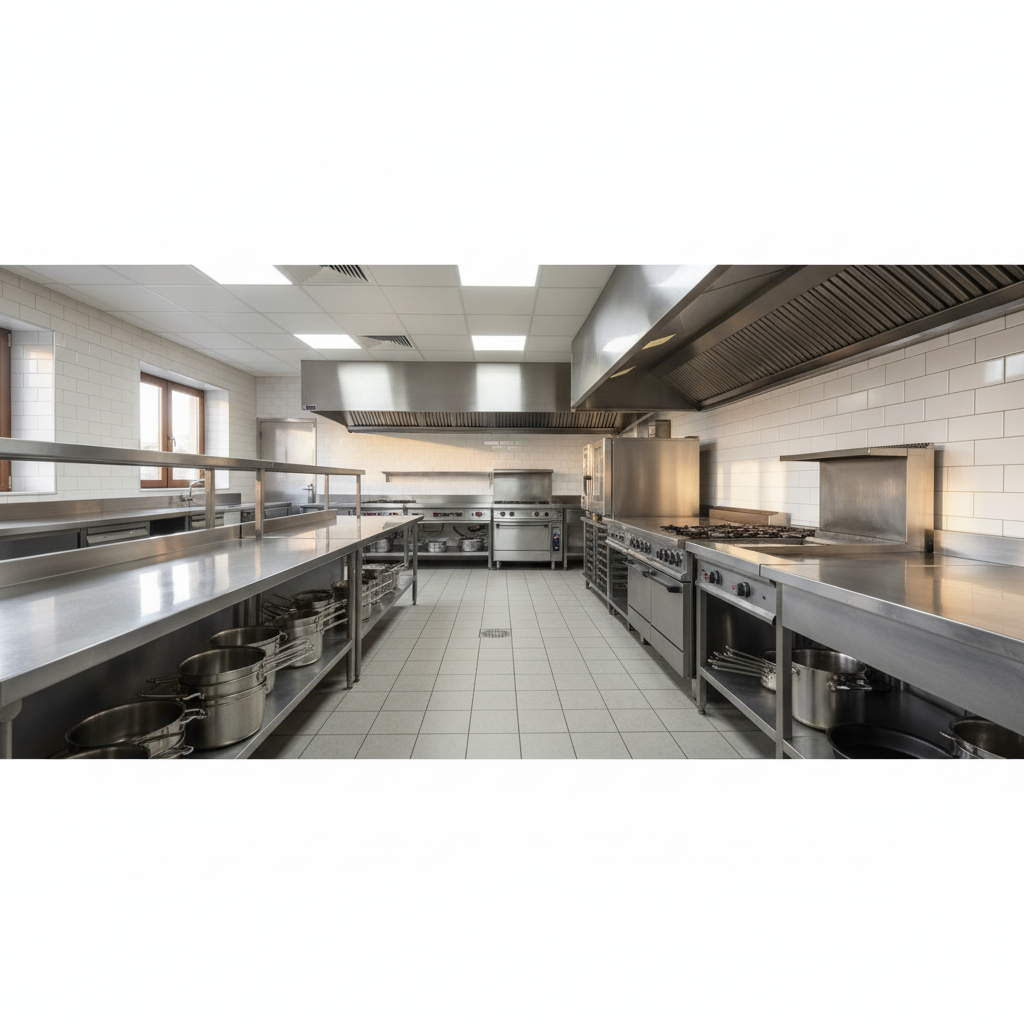
If you run a restaurant in New Bern, manage apartments in Greenville, operate a warehouse near Jacksonville or own a shop on the Crystal Coast, pests aren't just a nuisance — they're a business risk. A single sighting can mean a lost customer, a bad review or a deduction on your health inspection. This guide covers what every owner and facility manager should know about commercial pest control in Eastern NC: the pests that cause the most trouble here, what North Carolina rules require, how modern Integrated Pest Management (IPM) works, and how to choose the right provider.
- Eastern NC's heat, humidity and coastal waterways give pests a long active season.
- German cockroaches, rodents, subterranean termites, flies and fire ants are the most common commercial threats.
- In NC, anyone providing pest control to the public must be licensed by the NC Department of Agriculture & Consumer Services (NCDA&CS).
- IPM — inspection, exclusion, sanitation and targeted treatment — is the standard for businesses.
- Good documentation helps you prepare for health inspections and audits.
Why Pest Pressure Is Higher in Eastern North Carolina
Eastern North Carolina is great for business — and for bugs. A few local factors make pest problems more common and more persistent here than in many parts of the country:
- Heat and humidity. Long, warm seasons let insects breed for more of the year, and moisture draws cockroaches, termites and drain flies indoors.
- Water everywhere. The Neuse, Trent and Tar rivers, the sounds and the coast create ideal habitat for mosquitoes, rodents and moisture-loving insects.
- Storms and flooding. Heavy rain and hurricane-season flooding can push rodents and insects out of their outdoor nests and into buildings.
- Older building stock. Historic downtowns and older commercial buildings often have gaps, crawlspaces and shared walls that make entry easy.
- Termite country. According to NC State Extension, Eastern subterranean termites are found in every county in North Carolina.
The Most Common Commercial Pests in Eastern NC
Cockroaches
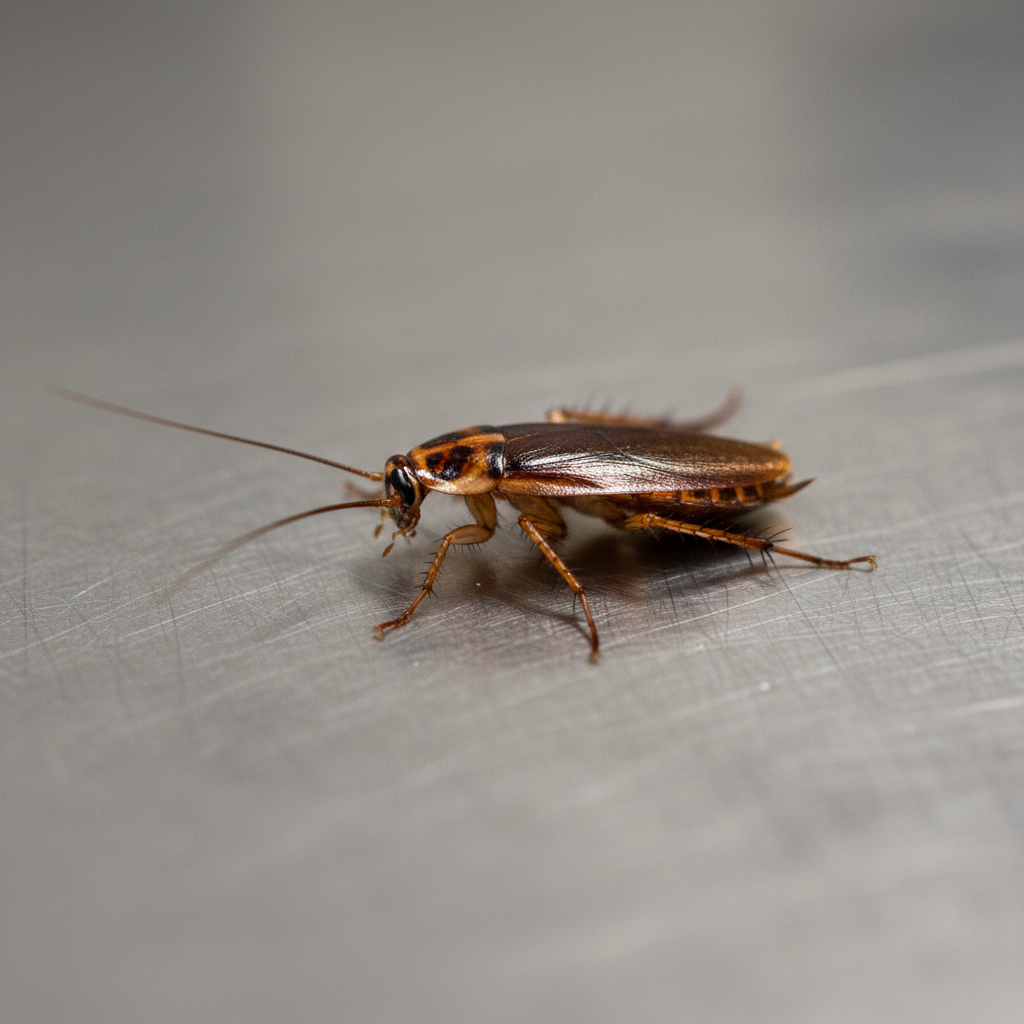
The German cockroach is the No. 1 indoor pest in commercial kitchens, break rooms and multi-family housing. It reproduces quickly, hides in equipment and cracks, and often arrives in deliveries and cardboard boxes. Larger American cockroaches (often called palmetto bugs) move in from drains, sewers and mulch beds. NC State Extension's household pest factsheets cover German cockroach biology and management in detail.
Rats and Mice
Norway rats, roof rats and house mice contaminate food, chew wiring and damage inventory. NC State Extension notes that roof rats tend to travel along elevated routes while Norway rats spend much of their time underground — one reason rodents can go unnoticed until a problem is well established. Exclusion (sealing entry points) is the foundation of any commercial rodent program.
Subterranean Termites
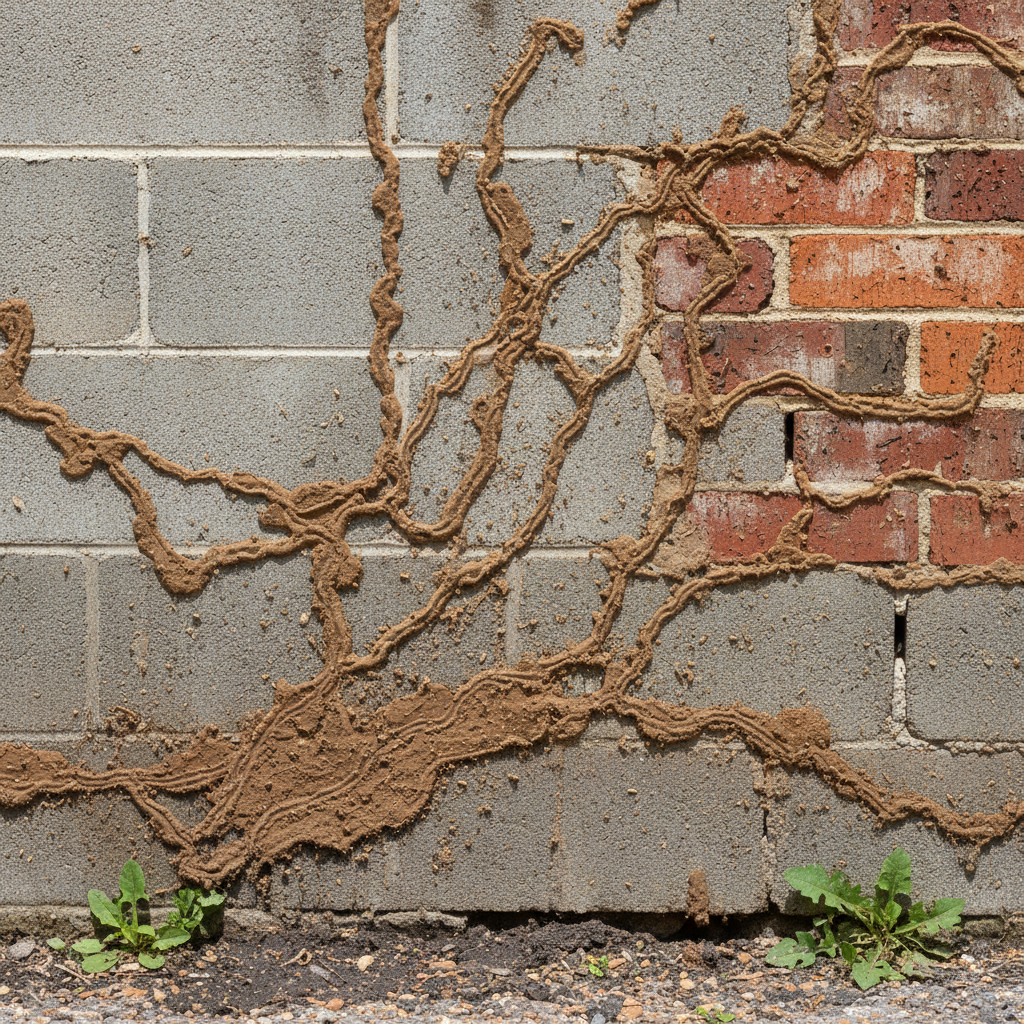
Termites cause structural damage that is rarely covered by property insurance. In North Carolina, subterranean termites begin swarming in late winter and continue into September or October, usually on warm days after rain. Swarmers inside a building are a strong sign of an active infestation. The NCDA&CS termite consumer page explains what treatments in existing structures should include.
Flies and Drain Flies
House flies, fruit flies and drain flies breed in floor drains, grease traps, dumpsters and damp organic buildup. They are a top concern in restaurants, food processing and healthcare because they can carry bacteria onto surfaces.
Fire Ants, Mosquitoes, Bed Bugs and Stored-Product Pests
Fire ants create liability risks on lawns and landscaped areas around offices, schools and churches. Mosquitoes affect outdoor dining and patios. Bed bugs are a constant risk for hotels, apartments and healthcare facilities, and stored-product pests (beetles and moths) can ruin food and grain inventory in warehouses.
Pest Risks by Industry
| Industry | Top pests | Biggest risk |
|---|---|---|
| Restaurants & food service | German cockroaches, flies, rodents | Health inspection deductions, reviews, closures |
| Healthcare & medical offices | Cockroaches, ants, flies, rodents | Patient safety and facility reputation |
| Apartments & property management | Cockroaches, bed bugs, rodents | Tenant complaints, turnover, spread between units |
| Hotels & hospitality | Bed bugs, cockroaches, rodents | Guest reviews and refunds |
| Warehouses & manufacturing | Rodents, stored-product pests, birds | Damaged inventory and failed audits |
| Retail & offices | Ants, cockroaches, rodents | Customer perception and employee comfort |
| Schools, churches & public buildings | Ants, fire ants, rodents, stinging insects | Safety of children and visitors |
What North Carolina Rules Mean for Your Business
Pest control providers must be licensed
North Carolina regulates pest control companies closely. According to NC State Extension's guide to selecting pest control services, anyone performing structural pest control for the public must be licensed by the NCDA&CS Structural Pest Control and Pesticides Division, every company must have at least one licensed individual on staff, and employees who sell or perform services must carry an NCDA&CS identification card. You can check any company's credentials with the NCDA&CS license search, and learn more about state licensing and certification requirements.
Food and lodging businesses face health inspections
Restaurants, hotels and other food and lodging businesses are inspected by county environmental health specialists under rules overseen by the NC DHHS Food Protection Program. North Carolina's sanitation rules (15A NCAC 18A) require businesses to keep pests out and remove the conditions that let them breed. A professional program with written service records shows inspectors you are taking pest prevention seriously.
This article is general information, not legal advice. Check with your county health department for requirements that apply to your business.
How Integrated Pest Management (IPM) Works
Integrated Pest Management is the standard approach for commercial facilities. The U.S. Environmental Protection Agency describes IPM as an environmentally sensitive, common-sense approach that applies to any type of structure. Instead of spraying on a schedule and hoping for the best, IPM asks why pests are there and fixes the cause. A typical commercial IPM program includes:
- Inspection — a full walkthrough to identify pests, entry points and conducive conditions.
- Identification — knowing exactly which pest you have, because treatment differs by species.
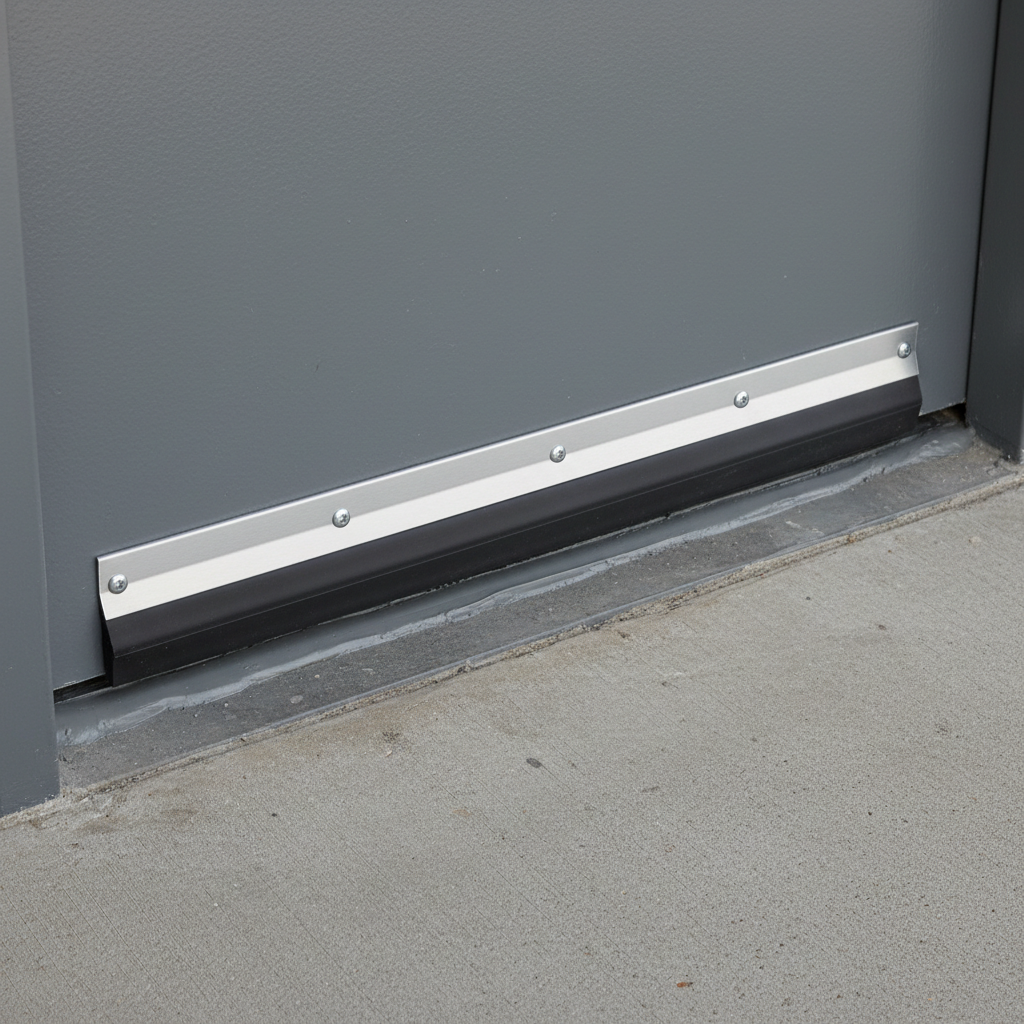
- Exclusion — sealing gaps, door sweeps, screens and other physical barriers.
- Sanitation & moisture control — removing food, water and harborage that pests depend on.
- Targeted treatment — baits, traps and precise applications only where needed.
- Monitoring & documentation — regular visits, activity logs and reports you can share with inspectors.
Seasonal Pest Calendar for Eastern NC Businesses
| Season | What to watch for | What to do |
|---|---|---|
| Winter (Dec–Feb) | Rodents moving indoors; termite swarms can start in late winter | Seal entry points, check stockrooms and ceilings, schedule termite inspection |
| Spring (Mar–May) | Termite swarmers, ants, fire ant mounds, flies returning | Treat landscapes, inspect foundations, clean drains |
| Summer (Jun–Aug) | Cockroaches, mosquitoes, flies, stinging insects | Increase kitchen and drain service, manage standing water |
| Fall (Sep–Nov) | Hurricane-season flooding, rodents seeking shelter, stink bugs | Post-storm inspections, rodent exclusion before winter |
Pest Prevention Checklist for Business Owners
Your pest control provider does the heavy lifting, but daily habits matter. Share this checklist with your staff:
Business Pest Prevention Checklist
- Inspect deliveries and break down cardboard boxes quickly — cockroaches hitchhike in them.
- Keep dumpsters closed, away from doors and cleaned regularly.
- Clean floor drains and under equipment on a set schedule.
- Fix leaks and reduce moisture in crawlspaces, basements and restrooms.
- Store food and supplies off the floor and away from walls.
- Install door sweeps and keep exterior doors closed.
- Trim shrubs and keep mulch away from the foundation.
- Report any pest sighting to your manager and your pest control provider right away.
How to Choose a Commercial Pest Control Company in Eastern NC
Not every pest control company is set up for commercial accounts. Before you sign, ask these questions:
- Are you licensed with NCDA&CS? Verify it yourself with the state license search.
- Are you insured? Ask for proof of liability insurance.
- Do you use IPM? Look for inspection, exclusion and monitoring — not just spraying.
- What documentation do I get? Service reports and activity logs matter for inspections and audits.
- Do you have experience in my industry? A restaurant has very different needs than a warehouse.
- Are you independently certified? Certifications such as QualityPro show a company meets higher standards.
- What happens if pests come back? Ask about guarantees and how fast they respond.
Frequently Asked Questions
How often should a business get pest control service in Eastern NC?
It depends on the industry and pest pressure. Food-service and healthcare facilities usually need more frequent service than offices or retail. A licensed provider should recommend a schedule after inspecting your property.
Is commercial pest control different from residential?
Yes. Commercial programs deal with larger spaces, higher traffic, stricter rules and the need for documentation, and they are scheduled around business hours.
How can I check if a pest control company is licensed in North Carolina?
Use the NCDA&CS Structural Pest Control license search on the NC Department of Agriculture website, and ask technicians to show their NCDA&CS identification card.
What is integrated pest management (IPM)?
IPM is a pest control approach that combines inspection, exclusion, sanitation, monitoring and targeted treatments to solve the root cause of pest problems while limiting unnecessary pesticide use.
When do termites swarm in North Carolina?
According to NC State Extension, subterranean termites in North Carolina begin swarming in late winter and can continue into September or October, usually on warm days after rain.
Which areas does Eastline Pest Management serve?
Eastline serves businesses across Eastern North Carolina, including New Bern, Greenville, Jacksonville, Morehead City and communities in Craven, Pitt, Onslow, Carteret and Pamlico counties.
Eastline Pest Management is a family-owned, QualityPro-certified pest control company licensed by the NCDA&CS Structural Pest Control and Pesticides Division, serving homes and businesses across Eastern North Carolina for more than 25 years.