
Scratching in the Walls at Night? Here Is How to Tell Mice From Rats From Squirrels
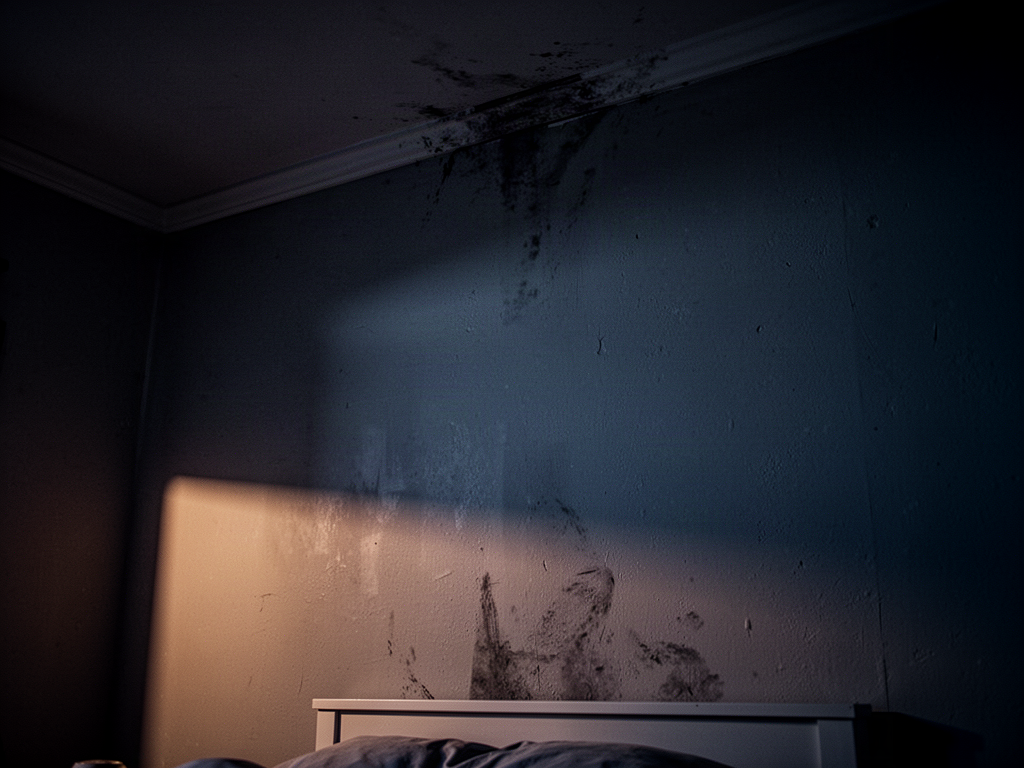
You are in bed. The house is completely quiet, and something is moving above the ceiling. The only evidence you have is the sound. It is a terrible feeling. This article turns that sound into an identification. If you are researching how to get rid of mice in walls, the absolute first step is making sure you actually have a mouse. Rats, mice, and squirrels all sound different and require completely different approaches to remove. A treatment meant for a mouse will not stop a squirrel. Here is how to use the time of night, the sound itself, and the location to identify exactly what is in your house.
Start with the clock — when you hear it narrows it down fast
The easiest way to divide the culprits is by looking at the time. Squirrels are diurnal. They are active at dawn and dusk, and they sleep overnight. You will hear them waking up when the sun rises, leaving to forage, and returning as the sun sets. They are quiet in the dark.
Mice and rats are nocturnal. They stay hidden during daylight hours to avoid predators. They become active roughly 30 minutes after dark, and their activity peaks in the small hours of the morning. The reason activity peaks between midnight and 4am is that the house has settled. No footsteps, no televisions, no doors opening. The rodents feel completely safe to move freely through the wall voids to forage. If you notice a repeating nightly pattern—hearing the exact same scratching at the exact same time every single night—that tells you they have established a regular foraging route from their nest to a food source. If you hear a loud noise at 3am, it is almost certainly not a squirrel. The clock alone tells you half the story.
What each animal actually sounds like
Once you know the time, you need to analyze the sound itself. Each animal has a distinct weight and movement pattern. We put together a comparison so you know exactly what to listen for.
| Animal | Time of day | Sound description | Where in the structure | Speed of movement | Other clues |
|---|---|---|---|---|---|
| House mouse | Nighttime | Light, fast skittering. Almost no thump. Faint scratching. | Wall voids, directly behind drywall. | Very fast, erratic darting. | Tiny, rice-sized droppings in kitchen cabinets. |
| Roof rat | Nighttime | Heavier scurrying, distinct gnawing sounds on wood. | Upper structure, attics, drop ceilings. They climb. | Slower than a mouse, purposeful movement. | Grease smudge marks high on walls or near soffits. |
| Norway rat | Nighttime | Heavy scratching, low thumps, dragging sounds. | Low in the structure, crawl spaces, wall bases. They burrow rather than climb. | Slow, heavy, deliberate. | Large burrows outside near the foundation. |
| Grey squirrel | Daytime, mostly dawn and dusk | Loud rolling, heavy thumping, frantic scurrying. | Attics, eaves, roofline. | Fast runs followed by sudden stops. | Nut-caching sounds, sounds like a rolling ball. |
| Birds | Dawn, early morning | Chirping, fluttering, frantic scratching. | Vents, soffits, chimneys. | Flapping and sudden scratching. | Nesting materials hanging from exterior vents. |
When you listen closely, you can actually judge the weight of the animal by the sound it makes against the drywall. A mouse barely registers. It sounds like a faint, rapid scratching, similar to a fingernail lightly dragging across a piece of paper. A rat is unmistakable. Because they carry real weight, you will hear a distinct thump as they drop from a joist, and their scratching has enough force behind it to sound like they are trying to chew through the ceiling. A squirrel is on a completely different level. A squirrel sounds like a person is up in the attic moving heavy boxes around.
Where the sound is coming from tells you what it is
Location inside the house is a massive clue. Different species prefer different habitats based on their natural instincts.
If the sound is in the attic or right along the roofline, you are usually dealing with roof rats or squirrels. Both species are excellent climbers. If the sound is mid-height, inside a standard interior wall void right next to your bed, you are likely hearing mice. Mice easily scale the rough wooden studs and wiring inside your walls. If the sound is coming from the floor level or directly under you in the crawl space, you are dealing with Norway rats. Norway rats are burrowers. They prefer to stay low to the ground and rarely climb into attics.
There is a distinct coastal pattern to this. We see high coastal roof rat pressure in Carteret County and waterfront properties along the coast. Conversely, Norway rats dominate inland and thrive in the older New Bern housing stock, exploiting older crawl space construction methods.
You can actually triangulate the sound to figure out their route. If you hear it in the wall, go to the floor above or below and listen quietly. Try tapping sharply on the wall where you hear the scratching. If the movement stops instantly and stays quiet for several minutes, it is likely a mouse or rat freezing in place. Keep in mind that sound travels efficiently along wooden ceiling joists and open pipe chases. The noise can easily travel ten feet down a beam, making it seem like the nest is directly above your bed when they are actually nesting near the bathroom plumbing chase.
Confirming it without opening the wall
You do not need to tear down drywall to figure out what is inside. The animals will leave secondary signs around the exterior and living areas. Look for dark grease trails along baseboards where rats have rubbed their oily fur against the paint. Check for fresh gnaw marks on wood, plastic, or drywall. Inspect your attic and crawl space for torn or disturbed insulation.
The shape and size of the droppings tell you exactly what you are dealing with. Mouse droppings look like small, dark grains of rice with pointed ends. Rat droppings are much larger, roughly the size of a dark kidney bean or a plump raisin with blunt ends. You need to look in the right places: pull out the stove and look behind it, check the dark corners under your kitchen and bathroom sinks, walk the crawl space and inspect the wooden sill plates, and look for trails pressed into the top of the attic insulation. Fresh droppings will be dark, soft, and shiny, indicating the animals are currently active. Old droppings look grey, dry, and will crumble easily if crushed.
Pet behaviour is another great indicator. Dogs and cats have excellent hearing and sense of smell. If your dog is staring intently at a blank wall or sniffing aggressively at the baseboards, pay attention. If you are still unsure, lay down a light dusting of flour near a suspected entry point overnight. In the morning, you will catch their footprints.
If you find droppings during your inspection and need to clean them up, take standard precautions. Do not sweep or vacuum dry droppings. Ventilate the space by opening doors and windows. Wear gloves. Wet the area down thoroughly with a standard household disinfectant first, let it sit, and then wipe it up with a paper towel. Throw everything in a sealed plastic bag.
Hear Scratching? Let Us Identify It
Stop guessing what is in your walls. Call Eastline Pest Management at (252) 633-1719 for a free rodent inspection. We track the sound, identify the species, and stop the problem. Learn more about our rodent control services in Eastern NC.
Why you should not just put poison in the wall
Throwing bait into a wall void is the most common expensive homeowner mistake. If you put poison in the wall, the animal will eat it and die right there inside the wall void.
An animal that dies inside a wall cannot be easily retrieved without cutting open the drywall. The resulting odour will last for weeks, spreading throughout the house, and it will eventually attract flies and other scavengers. Professional treatment never risks this. We use exterior bait stations to knock down the outside population before they enter, and we use interior trapping to physically remove the animals currently inside the house. We never want an animal dying where we cannot reach it.
This is also why tossing a few grocery-store snap traps or glue boards under the sink usually fails. If you place a trap in the wrong spot, the rodent will simply walk around it. Identifying the exact species first changes the entire trapping strategy. A trap designed for a mouse will not hold a rat, and a rat trap placed on a mouse runway is just wasted effort. Glue boards often catch non-target pests or fail to secure a large rat, leading to a much more difficult situation. We use the right traps, placed directly on their established runways, to remove the animals quickly and cleanly.
How the problem actually gets solved
Getting animals out of a house and keeping them out requires a structured, professional approach. Eastline Pest Management uses four specific steps to handle wall noises:
- Free inspection: We identify the exact species by tracking droppings, footprints, and entry points.
- Exterior baiting: We install heavy, tamper-resistant exterior bait stations around the perimeter to reduce the population living right outside your foundation.
- Interior trapping: We set traps in attics and crawl spaces to physically capture and remove the animals that are already inside your home.
- Exclusion: We seal the house permanently using chew-proof materials like copper mesh, metal flashing, and specialized sealants.
Stress this point: without exclusion, the problem always returns. You might trap the current mice, but the hole is still there. As the weather gets colder, new mice will find that exact same hole. This is why checking your crawl space conditions and sealing foundation vents is critical. You can read more about the seasonal timing of these invasions in our fall rodent season timeline.
A true solution does not end on the first visit. We schedule follow-up visits to check the traps, remove the captured animals, and ensure the interior population is completely eliminated. Once we know the house is clear, the exclusion work ensures the cycle stops for good. The exterior bait stations then serve as a permanent perimeter defense, keeping the outside population low so they do not try to chew new holes next season.
Permanent Rodent Solutions
Eastline Pest Management is a family owned, QualityPro certified company with over 25 years of experience solving complex rodent issues. We offer a 100% satisfaction guarantee, same-day service, free inspections, and absolutely no cancellation fees. If you have scratching in your walls, call us at (252) 633-1719 or email info@eastlinepest.com. Discover why we have over 400 five-star reviews with a 4.9 rating serving Craven, Pitt, Carteret, Pamlico and Onslow counties. Visit us at 1140 Broad Creek Rd, New Bern, NC 28560 or check out our rodent control services in Eastern NC.
Frequently Asked Questions
Can mice climb inside walls?
Yes, mice are excellent climbers. They can easily scale the rough wooden studs and wiring inside a standard wall void. If they gain access to the crawl space, they will climb up through pipe penetrations into the walls.
Why do I only hear scratching at night?
Mice and rats are nocturnal. They stay hidden during the day to avoid predators and become active after dark to forage. If you hear loud scratching during the day, you are likely dealing with a squirrel.
Will the noise stop on its own?
No. Rodents do not leave once they find a safe, warm place with access to food. The noise will likely get worse as they begin breeding and expanding their nests inside your insulation.
How did they get into a second-floor wall?
Roof rats are agile climbers that use overhanging tree branches or downspouts to reach the roofline. Once they enter through a gap in the soffit or a roof vent, they easily move down into the second-floor wall voids.
Can I hear a single mouse or does noise mean an infestation?
You can hear a single mouse running across a drywall ceiling. However, mice reproduce incredibly fast. If you hear one mouse, there are almost certainly more nearby or a litter on the way.
What if the noise is during the day?
Daytime noise usually points to squirrels. Squirrels are diurnal and very active in the morning and late afternoon. If you hear heavy rolling or thumping sounds while the sun is up, a squirrel is the most likely culprit.